
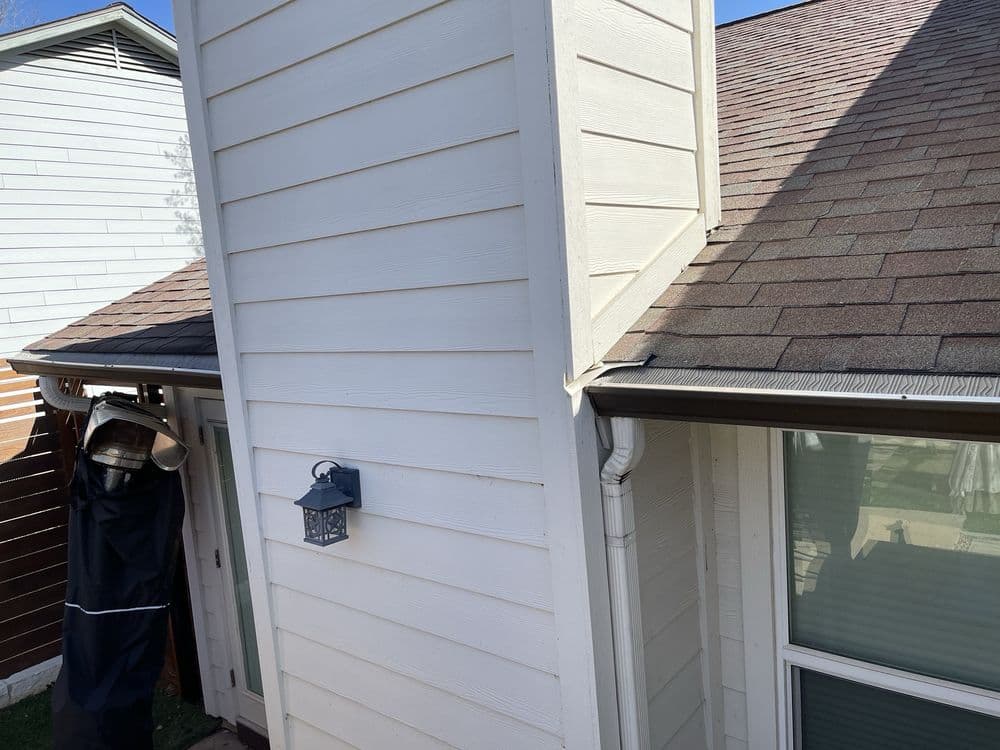
Gutter Repair
Expert repair for leaking joints, sagging sections, damaged brackets, and other gutter issues to restore full function.
The Hidden Costs of Putting Off Repairs
It's easy to ignore a small drip coming from a gutter seam or a section that looks like it's pulling away from the house just slightly. After all, it's still working, right? The truth is, gutter problems never stay small. That tiny leak soaks your fascia board every time it rains, softening the wood over weeks and months until rot sets in. That slight sag becomes a low spot where water pools instead of draining, adding weight that stresses brackets and pulls fasteners loose from your framing. What starts as a twenty-minute fix can snowball into hundreds or even thousands of dollars in structural and cosmetic damage if left unaddressed. The irony is that most gutter repairs are straightforward and affordable when caught early. Waiting doesn't save money — it multiplies the eventual cost.
How Texas Weather Puts Your Gutters Through the Wringer
Living in Texas means your gutter system endures conditions that would stress any building material. Summer temperatures regularly push past 100 degrees, causing aluminum to expand and contract with each day-night cycle. Over years, this thermal cycling loosens fasteners, weakens sealant at seams, and can warp sections that weren't properly secured during installation. Then there are the storms — sudden, intense downpours that dump inches of rain in minutes, filling gutters to capacity and beyond. Hail punches dents into troughs and knocks loose hangers. High winds fling branches onto rooflines, bending or dislodging gutter runs entirely. Even the milder seasons bring their own challenges: spring pollen creates a corrosive sludge when mixed with trapped moisture, and fall debris loads stress already-weakened brackets. Your gutters take a beating that most homeowners never fully appreciate until something fails visibly.
Spotting Trouble Before It Spirals Out of Control
Some gutter issues announce themselves loudly — a section hanging at an odd angle or water gushing over the side during a storm is hard to miss. But many problems are subtler. Look for discoloration or staining on your fascia boards, which indicates water has been leaking behind the gutter and sitting against the wood. Check for paint bubbling or peeling on your trim near the roofline. After a rain, walk the perimeter of your home and look for any standing water in the gutter troughs — properly pitched gutters should drain completely within a few minutes of the rain stopping. Rust spots or visible corrosion on metal components signal that the protective finish has been compromised. Water marks or mildew on your foundation walls below gutter runs point to chronic overflow. Inside your home, ceiling stains near exterior walls may trace back to a gutter that's been allowing water to infiltrate behind your siding. Catching any of these early means a simpler, less expensive solution.
Understanding What's Actually Failing and Why
Not all gutter problems have the same root cause, and understanding the difference matters for getting a lasting fix. Leaking seams typically result from dried-out or cracked sealant — a natural consequence of age and sun exposure. Sagging sections usually point to bracket failure, either because the original hangers were spaced too far apart, the wrong fastener type was used, or the fascia behind the bracket has deteriorated. Separated downspout connections often stem from ground-level impacts — lawn equipment bumping the lower elbow, or settling splash blocks pulling the pipe out of alignment. Overflow during heavy rain can indicate an undersized system, improper pitch, or a partial blockage somewhere downstream. Each of these scenarios requires a different approach, and applying the wrong fix — say, re-sealing a seam on a gutter that's actually sagging — means the problem comes right back. An experienced technician evaluates the full system rather than just patching the most visible symptom.
When Repair Makes Sense and When It Doesn't
A fair and honest assessment is essential when deciding between repairing existing gutters and replacing the entire system. As a general guideline, if the majority of your gutter runs are still structurally sound — solid troughs without widespread corrosion, a fascia board that's firm and intact — then targeted repairs are usually the most economical path. Replacing a handful of brackets, re-sealing several seams, and realigning pitch on a few sections can extend a system's life by many years at a fraction of the cost of full replacement. On the other hand, if your gutters are showing problems in multiple areas, if the metal is thinning or pitting from extensive corrosion, or if repeated repairs keep failing in different spots, that's a signal the system has reached the end of its useful life. Pouring money into a failing system is like patching a tire that keeps going flat — at some point, the new tire costs less in the long run. A trustworthy service provider will give you straight answers about which path makes the most financial sense.
What the Repair Process Looks Like Start to Finish
A professional repair visit begins well before any tools come out. The technician inspects the entire gutter system — not just the trouble spot you called about — to identify all existing and developing issues. You'll receive a clear explanation of what's wrong, what caused it, and what it will take to fix it. Pricing is discussed upfront, before any work begins, so there are no surprises on the invoice. From there, the repair itself uses commercial-grade materials: heavy-duty brackets rated for the weight loads your gutters actually experience, professional sealants formulated for long-term adhesion in outdoor conditions, and replacement sections that match your existing system in profile, gauge, and color. After the repairs are complete, the technician runs water through the affected areas to confirm proper flow and verifies that all fasteners are secure. The goal isn't just to make the problem disappear today — it's to make the fix last.
Emergency Situations Demand a Fast Response
Sometimes gutter damage can't wait for a scheduled appointment. A heavy storm rips a section off the house, leaving exposed fascia vulnerable to the next rain. A separated downspout floods a walkway or creates a slip hazard near an entryway. A gutter overflowing directly onto an HVAC condenser compromises the unit's operation. These aren't situations where you can afford to wait days or weeks for service. Prompt attention prevents secondary damage that compounds the original problem. Having a trusted service provider already identified — one you can call for a fast turnaround — is worth its weight in gold when these situations arise unexpectedly.
From the Field
After a nasty hailstorm rolled through the Houston area, we got back-to-back calls from homeowners on the same street. The first house had dented sections and a couple of popped hangers — straightforward repair work we finished in about two hours. The neighbor's gutters looked okay from the ground, but when we inspected them we found hairline cracks along three seams where the hail impact had split the sealant. Left alone, those would have turned into full leaks by the next heavy rain. We resealed everything and reinforced the brackets while we were up there. Both homeowners were protected before the next storm hit, and neither one needed a full replacement. That's what a proper inspection catches.
Protect Your Investment With Skilled Repair Work
Your gutter system is a critical part of your home's defense against water intrusion, and keeping it in sound working order is one of the smartest maintenance decisions you can make. Whether you're dealing with a single leaking joint or multiple sections that need attention, professional repair restores your system's ability to protect your roof, walls, foundation, and landscaping. Jobe Gutter Services brings over 15 years of hands-on expertise to every repair call across Angleton, Lake Jackson, Clute, Freeport, Galveston, Houston, and all of Brazoria County. We carry a full inventory of materials on every truck so most issues are resolved in one visit — no waiting for parts, no return trips. Call us at (979) 201-1577 to schedule your free assessment and get your gutters back to full strength.
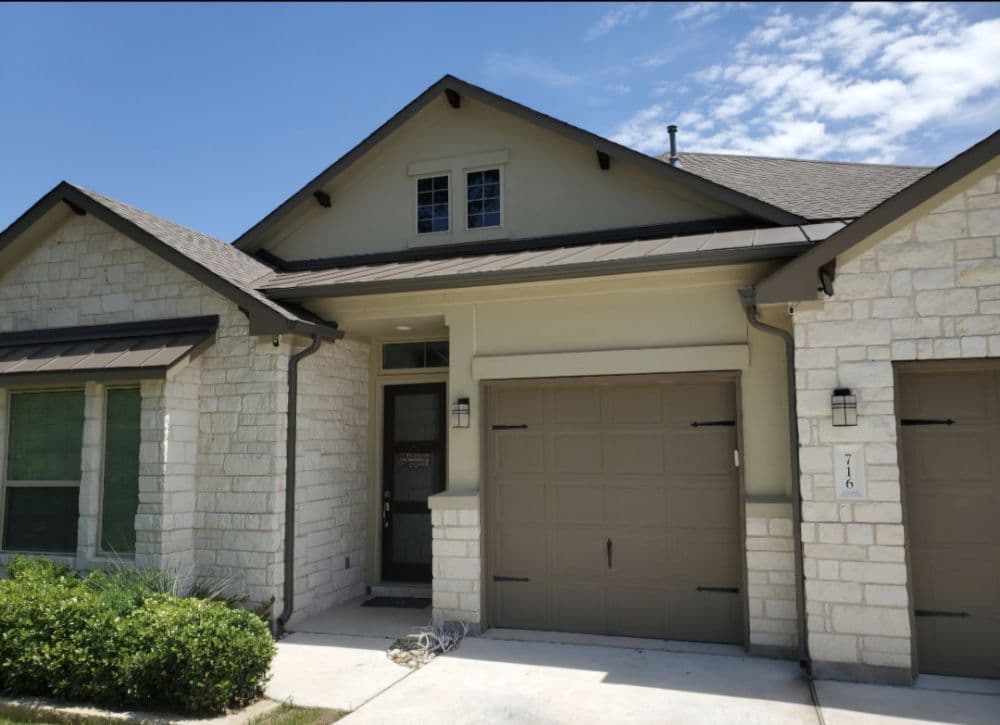
What's Included
- Leak detection and sealing
- Bracket and hanger replacement
- Sagging section correction
- Downspout reattachment
- Pitch adjustment for proper drainage
- Same-day repair available
Frequently Asked Questions
Explore Our Other Services
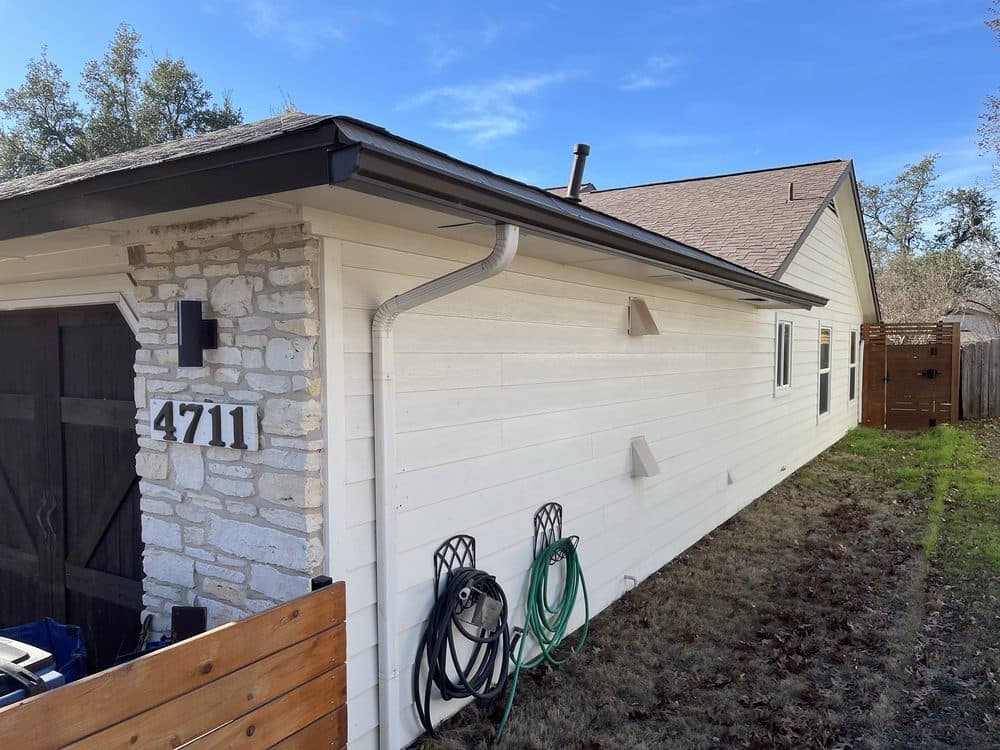
Gutter Cleaning
Professional gutter cleaning to remove debris, leaves, and buildup that causes clogs and water damage to your home.
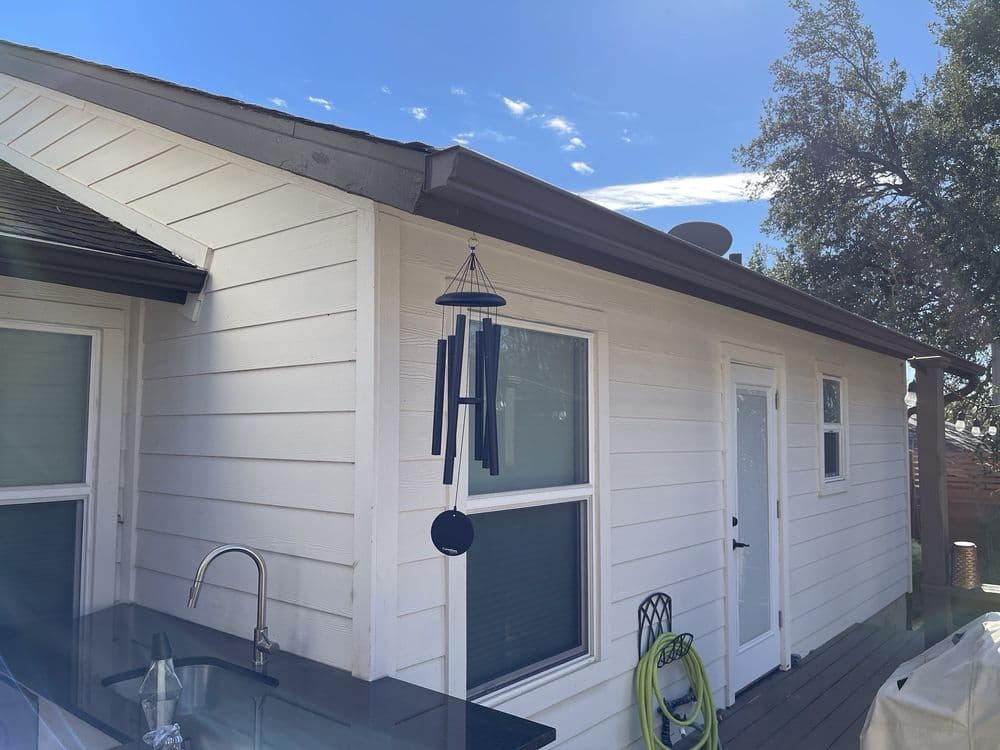
Gutter Installation
Custom seamless gutter installation for new construction or homes without an existing gutter system.
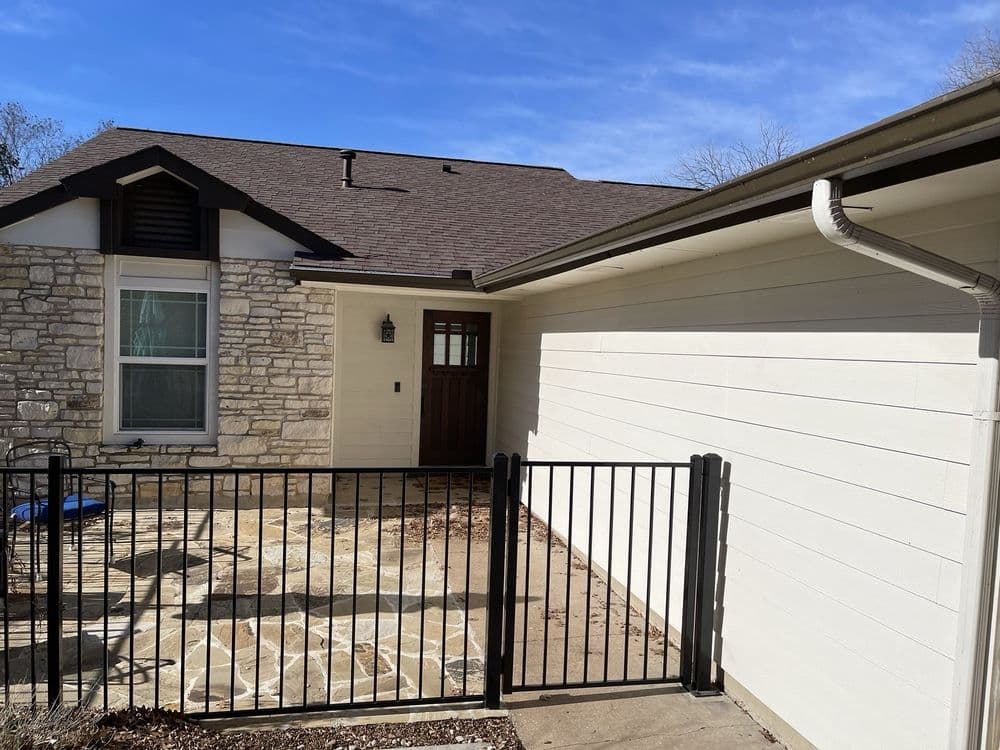
Gutter Replacement
Full gutter system replacement with modern seamless gutters when repairs are no longer cost-effective.