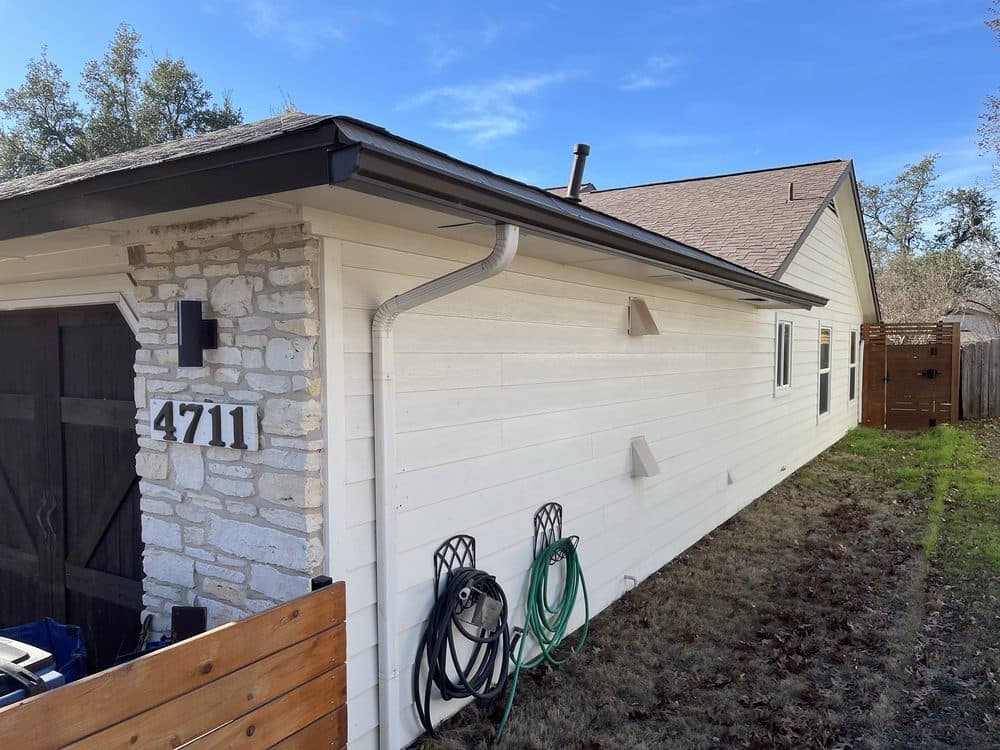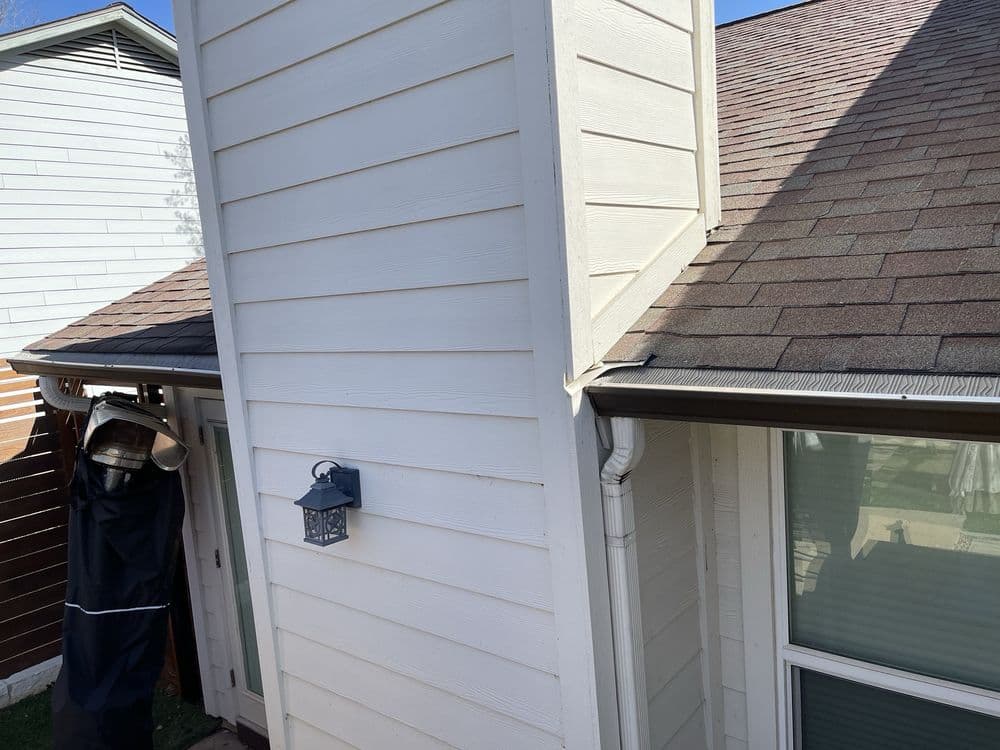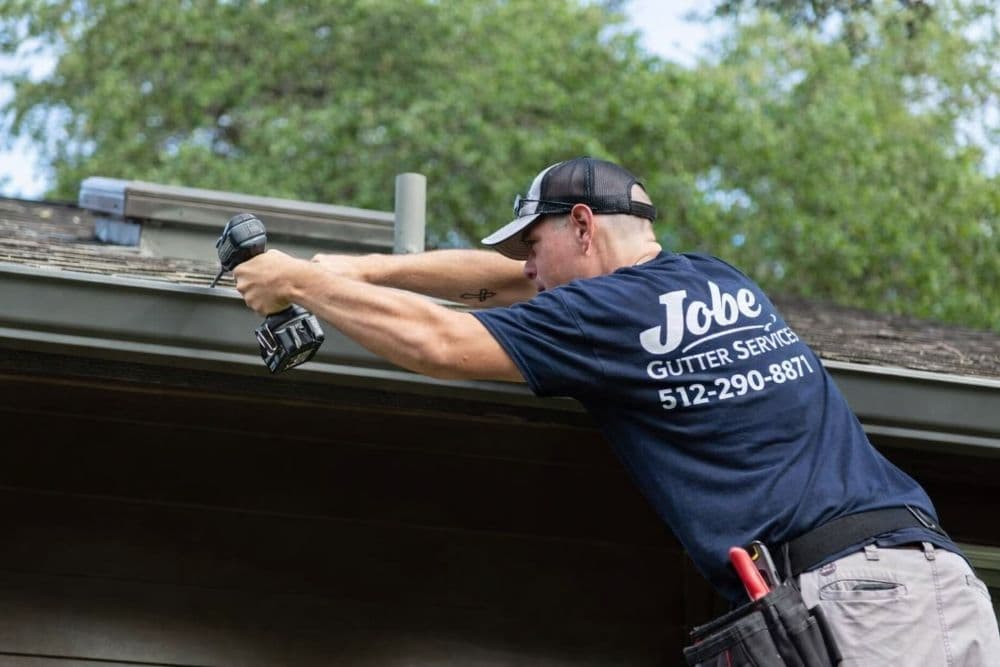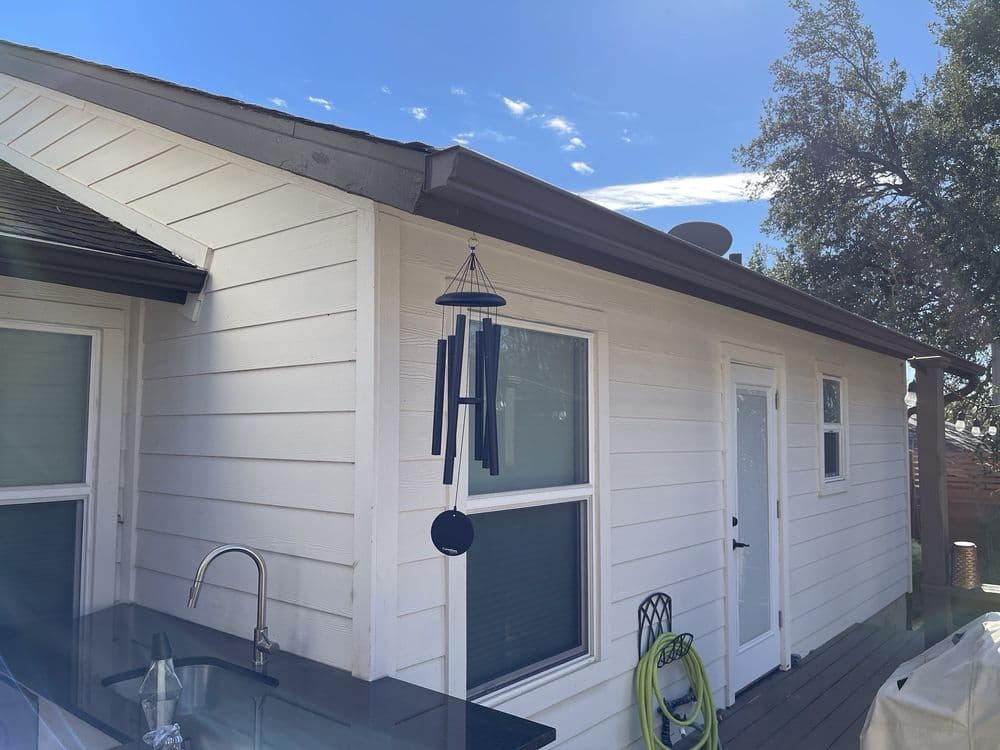
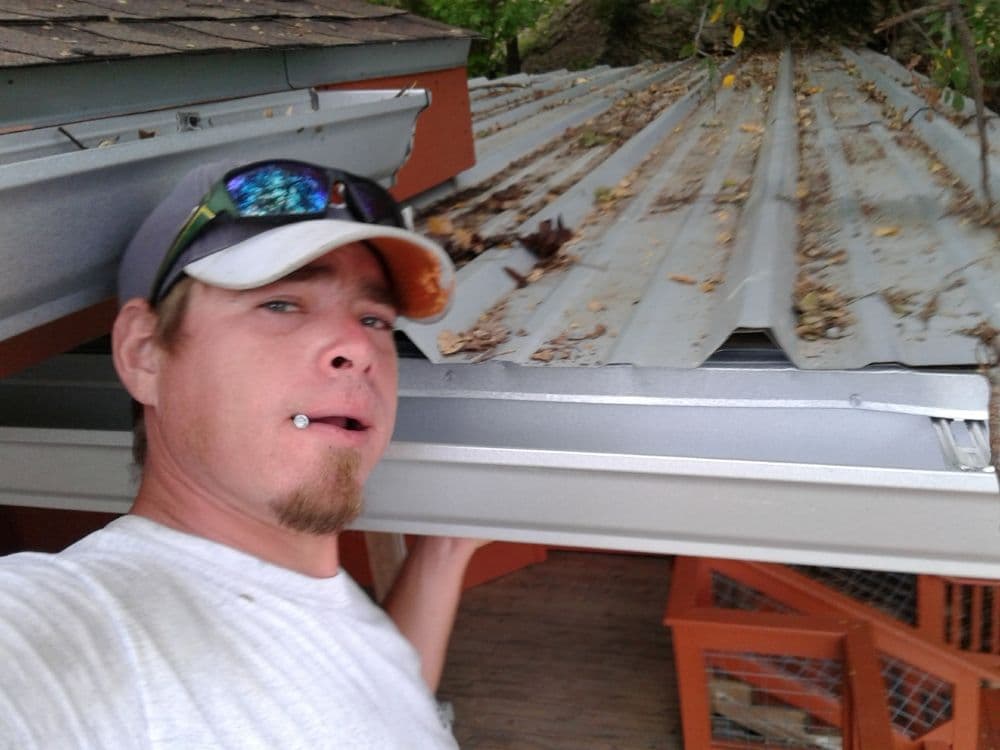
If you own a home in Texas, your rain gutters are working harder than you probably realize. Between scorching summers, surprise hailstorms, hurricane-season downpours, and the occasional ice event, the demands on a residential drainage system here are unlike almost anywhere else in the country. Yet most folks barely give their gutters a second thought until something goes wrong — and by then, the repair bill can be eye-watering. Let's walk through everything you need to know about keeping those channels clear, functional, and protecting the biggest investment you'll ever make: your home.
The Silent Threat Lurking Above Your Roofline
Here's a scenario that plays out across Texas neighborhoods every single year. A homeowner notices a damp patch on the ceiling or a mysterious crack running along the foundation wall. They call a contractor, brace for the estimate, and discover that the root cause wasn't a plumbing leak or settling soil — it was a clogged gutter that sent thousands of gallons of rainwater exactly where it shouldn't go.
Water is patient. It doesn't announce itself with sirens. It seeps, pools, and saturates over weeks and months, quietly undermining structural integrity. In a state with expansive clay soils — the kind that swell when wet and shrink when dry — uncontrolled water near a foundation is a recipe for cracks, shifting, and repairs that can easily climb into five-figure territory. A functioning drainage system channels that water safely away from the house. A clogged one? It might as well be pouring it directly onto the foundation.
Beyond structural concerns, standing water in blocked channels becomes a breeding paradise for mosquitoes. In a state already battling West Nile virus and other mosquito-borne illnesses, an overlooked trough of stagnant water on your roofline is more than a nuisance — it's a public health issue. Rotting debris also attracts carpenter ants, wasps, and even rodents looking for a cozy nesting spot close to a food source.
When Texas Weather Decides to Test Your Home
Timing matters more than most people think. The ideal maintenance window depends on where you live and what trees surround your property, but there are two seasons that every Texas homeowner should circle on the calendar.
Late spring — roughly May through early June. By this point, live oaks have dropped their catkins, pecans have shed their spring casings, and pollen season is winding down. All of that organic material has been accumulating for weeks, and if it sits through the summer storm season, you're asking for trouble. Clearing the channels before the heavy rains arrive means your system has maximum capacity right when it needs it most.
Late fall — November into early December. Deciduous trees have finished dropping leaves, and the seasonal debris load is at its peak. Cleaning now sets you up for winter, when the rare but real Texas freeze can turn trapped moisture into ice blockages that pry apart seams and damage fascia boards. Nobody wants to deal with frozen, overflowing water cascading down the side of their house during an ice storm.
If your property is surrounded by pines, live oaks, or other heavy-shedding species, you may need a third cleaning in late summer. Pine needles, in particular, are sneaky — they're thin enough to slip through many basic screens and tend to mat together into dense, water-blocking clumps.
Warning Signs You Shouldn't Brush Off
Your home will tell you when drainage maintenance is overdue. You just have to know what to look for. Water spilling over the edges during a rainstorm is the most obvious red flag, but it's far from the only one.
Check for staining or streaking on your exterior walls below the roofline. That discoloration is evidence of repeated overflow. Peeling paint or bubbling on fascia boards often signals trapped moisture. If you notice small plants or even grass sprouting from the channels, decomposed organic matter has been sitting there long enough to become soil — that's well past due for a cleaning.
Inside the house, look for water stains on ceilings near exterior walls, especially after heavy rain. Mildew smells in the attic can also point to moisture intrusion caused by backed-up water finding its way under roof shingles. And if you see pooling water near your foundation after a storm, trace it upward — odds are good the drainage above that spot is compromised.
What Happens During a Professional Cleaning
A proper professional service goes well beyond scooping out leaves. Here's what the process should look like when it's done right.
The technician starts with a full visual inspection from the ladder, checking for sagging sections, loose brackets, visible rust or cracks, and any areas where the pitch looks off. Then comes debris removal — hand-scooping or vacuuming every inch of the channel, paying special attention to corners and areas around downspout openings where clogs love to form.
Next, every downspout gets flushed with a hose to confirm it's flowing freely from top to bottom. If a blockage is found, professional-grade augers or pressure tools clear it without damaging the pipe. After that, the entire system is flushed with water, and the technician watches the flow to verify proper drainage and spot any leaking seams or joints.
A thorough provider also checks hanger spacing and tightness, verifies that the pitch angle is directing water toward downspouts rather than letting it pool, and inspects splash blocks or extensions at the base to make sure water is being directed away from the foundation. Before-and-after photos are a hallmark of reputable outfits, giving you documentation of the work performed and the condition of your system.
Climbing the Ladder Yourself vs. Calling a Pro
Let's be honest — plenty of handy homeowners handle this task on their own, and there's nothing wrong with that if you're comfortable on a ladder and know what to look for. But there are real reasons to consider leaving it to the professionals.
Safety is the big one. The Consumer Product Safety Commission reports that more than 164,000 emergency room visits each year in the U.S. stem from ladder-related injuries. Working on an extension ladder while leaning over to scoop wet, heavy debris from a narrow channel at roof height is inherently risky — especially on a two-story house.
Beyond safety, trained technicians catch problems that untrained eyes miss. A hairline crack in a seam, a barely noticeable sag that indicates a failing bracket, early-stage fascia rot hidden behind the channel — these are the kinds of issues that are cheap to fix today but devastatingly expensive if ignored for another year or two. Professionals see hundreds of systems every month and develop an instinct for spotting trouble before it escalates.
There's also the time factor. What takes a professional crew 45 minutes to an hour can eat up an entire Saturday afternoon for a homeowner without the right tools, especially if a stubborn downspout clog is involved.
Seasonal Quirks Only Texans Understand
Texas throws a few curveballs that homeowners in other states never deal with. Live oaks, for instance, are technically evergreen — they don't lose all their leaves in fall. Instead, they drop leaves gradually in spring while simultaneously releasing a blizzard of catkins. This means the biggest debris load in many Texas yards hits in March and April, not October.
Gulf Coast humidity also accelerates decomposition inside the channels. Organic debris breaks down faster in warm, moist conditions, creating a sludge that's harder to remove and more damaging to the underlying metal than dry leaves would be. Homes in the Houston, Galveston, and Angleton areas are especially prone to this.
And then there's hail. After a significant hailstorm, it's worth checking your drainage system even if you just had it cleaned. Hail can dent channels, crack seams, and knock loose the granules from asphalt shingles — those granules wash into the system and accumulate at downspout openings, creating stubborn blockages.
Protect Your Home — Take the Next Step Today
Keeping your rain channels clear isn't glamorous, but it's one of the highest-return maintenance tasks any Texas homeowner can do. Clean drainage protects your foundation, preserves your exterior, prevents pest infestations, and saves you from costly emergency repairs down the road. Whether you've been putting off a cleaning or you've noticed any of the warning signs above, now is the time to act. Jobe Gutter Services has over 15 years of experience helping homeowners across Angleton, Lake Jackson, Clute, Freeport, Galveston, Houston, and all of Brazoria County keep their systems in top shape. Call (979) 201-1577 today for a free estimate — your home will thank you.